
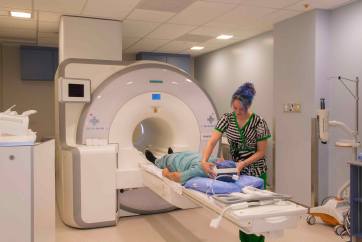
New rules for certain diagnostic tests have taken effect in Alberta. Residents of the province can now book certain fee-based preventative health tests at private diagnostic clinics on their own—without a doctor’s referral.
This applies to tests such as MRIs, CT scans, ultrasounds, and X-rays. The new policy took effect on July 31, 2026, and applies specifically to preventative health testing—that is, voluntary screenings that individuals choose to undergo on their own initiative.
This is a significant change for Alberta, as previously, access to most of these diagnostic procedures typically required a doctor or other healthcare professional to assess the need for the test and issue a referral.
How It Works
Under the new rules, a person can go to a private diagnostic clinic participating in the program, choose the desired type of test, and pay for it themselves.
Before administering the test, a regulated health professional at the clinic must ensure that the test is safe, appropriate, and understandable to the patient. This does not mean that any test will automatically be performed for anyone who requests it. A healthcare professional must still assess the risks, limitations, and appropriateness of the procedure.
After the test, the results must be added to the electronic health record so that the patient and their healthcare providers can access this information and avoid duplicate testing in the future.
What Tests Are Available
The official Alberta.ca website lists the following types of diagnostic imaging that may be available through preventative health testing:
- MRI;
- CT scan;
- ultrasound;
- X-ray.
However, availability may vary by clinic. Not all private providers may offer all types of tests immediately, so patients are advised to check directly with the specific clinic for details.
Who Can Use the Service
Preventative health testing is available to people who wish to undergo diagnostic testing without a doctor’s referral.
For adults, this applies to individuals aged 18 and older. For children under 18, testing can be arranged by a parent or legal guardian.
Important note: The services themselves may be available not only to Alberta residents. However, eligibility for reimbursement is subject to specific conditions and is tied to coverage under the Alberta Health Care Insurance Plan.
Is it covered by the government?
In most cases, individuals pay for this test out of pocket.
However, the Alberta government has provided for reimbursement in a specific situation: if a preventative health test leads to a new, previously undiagnosed cancer diagnosis.
To be eligible for reimbursement, the test must be performed on or after July 31, 2026, at an accredited clinic, and the reimbursement claim must be submitted within 365 days of the new diagnosis. If part of the cost is covered by private insurance, that coverage must be used first, as the government acts as the payer of last resort.
If the cancer diagnosis is not confirmed, the cost of the test will not be reimbursed.
What Will Happen to Public Healthcare
The Alberta government specifically emphasizes that the new system does not replace public healthcare.
Medically necessary diagnostic testing, as ordered by a doctor or other healthcare provider, will continue to be publicly funded and remain a priority. Existing public cancer screening programs—such as those already in place for specific population groups—will also remain unchanged.
In other words, the new model creates an additional, fee-based option for people who want to undergo preventive screenings on their own initiative. However, it is not intended to eliminate or replace access to medically necessary tests within the public system.
Why This Decision Has Sparked Debate
On the one hand, the government presents this change as a way to give people more control over their own health and expand access to early detection of potential problems.
The logic is simple: if a person is willing to pay for a non-urgent screening out of pocket, they can do so more quickly at a private clinic, while the public system should focus on medically necessary cases.
On the other hand, the issue has, as expected, sparked debate. Some doctors and patients are concerned that self-referred testing could place an additional burden on the system, lead to unnecessary tests, or increase inequality between those who can pay and those who cannot.
That is why the key issue will not only be the ability to purchase an MRI or CT scan without a referral, but also how this will work in practice: will public patients truly remain a priority, will wait times increase, and how transparently will clinics explain the risks, costs, and limitations of such tests to people?
What Albertans Need to Know
The new system doesn’t mean everyone should rush to book an MRI or CT scan “just in case.” Preventative health testing can be useful in certain situations, but not every test is right for everyone.
Such tests may have limitations, sometimes yield incidental findings, require follow-up tests, or cause unnecessary anxiety. Therefore, before paying for a test, it’s important to get a clear explanation from a qualified healthcare professional at the clinic.
It’s also important to keep all documents: test results, confirmation of the diagnosis (if one is made), payment receipts, and information about insurance coverage. This is especially important for those who may be eligible for reimbursement.