
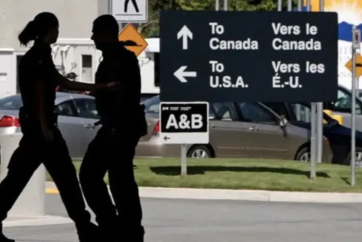
Canada will close the Remote Area Border Crossing (RABC) program on September 14, 2026, and replace it with a mandatory CBSA notification by phone in designated remote border areas. This was announced by the CBSA in an official press release on December 19, 2025.
What is RABC and what is changing
For many years, RABC has allowed pre-approved travelers to cross the border in a number of remote areas without visiting a standard port of entry. This model will now be phased out: applications for new permits are no longer being accepted, and telephone reporting will be introduced instead.
Key dates
Current RABC permits will remain valid until 11:59 p.m. on September 13, 2026.
Starting September 14, 2026, all travelers entering through these remote areas must report to the CBSA—either at a border crossing or through designated telephone reporting locations.
Which areas will be covered by telephone reporting
The CBSA lists the areas where the new approach will apply (which were also key areas for RABC), including:
- Northwest Angle Area
- Pigeon River – Lake of the Woods
- Canadian shore of Lake Superior
- Sault Ste. Marie (upper lock system)
- Cockburn Island
Why the CBSA is taking this step
The CBSA explains the decision by the need to strengthen border integrity and security and to standardize requirements, bringing them closer to the approaches already in place in other reporting scenarios (from designated points), as well as to make the practice more consistent with how reporting is done when entering the US in remote areas.
The agency also notes that the locations of the new telephone reporting points will be determined in the coming months in consultation with Indigenous communities, local businesses, and law enforcement partners.
Program scale
According to the CBSA, historically, approximately 11,000 participants per year have used the program, and about 90% of them are Americans.