
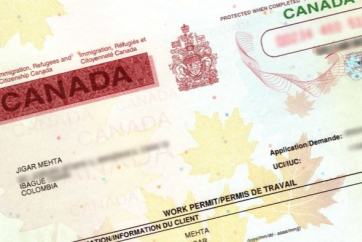
Immigration, Refugees and Citizenship Canada (IRCC) has released the latest processing times as of early April 2026, and the new data reveals a highly uneven situation across different categories. Some streams show stable or moderately improving trends, while certain temporary and family streams remain backlogged. The official source of these figures is the Check current processing times tool on the IRCC website, where the agency explains that processing times may vary depending on the volume of applications received, processing capacity, the completeness of documents, and the complexity of a specific application.
Renewal or modification of work permit conditions in Canada
One of the most notable figures in the April update is the processing time for renewing or changing work permit conditions within Canada—the IRCC’s official website currently lists 253 days. This figure is particularly important for applicants who are already in the country and are trying to renew their status without interrupting their right to work.
What this means for Ukrainians
For Ukrainians, this issue carries particular significance. IRCC confirms that individuals in Canada with a valid open work permit issued under the Ukraine Special Measures may be eligible to extend their open work permit for up to 3 years, with the current application deadline set as March 31, 2027. Separately, a new public policy has taken effect on April 1, 2026 and remains in effect until March 31, 2027.
Citizenship Status
Meanwhile, the situation regarding citizenship appears more stable. The official IRCC page for citizenship applications for adults and children indicates a processing time of approximately 12 months. This means that the citizenship process is currently moving much more predictably than many temporary categories.
Other Important Processing Times
Other key figures include approximately 67 months for sponsoring parents and grandparents in Quebec, 306 days for a visitor record within Canada, approximately 40 months for the Atlantic Immigration Program, and 51 days for the issuance of the first PR card. Taken together, these figures show that even within a single IRCC system, the difference between processing times remains very significant.
What the backlog data reveals
Another important signal comes from IRCC’s official page on application inventory. The agency notes that when more applications are received than can be approved under the immigration plan, some cases are placed on hold, which automatically extends processing times. In the Federal High-Skilled (Express Entry) section, IRCC explicitly states that this includes the Federal Skilled Worker Program, Canadian Experience Class, and Federal Skilled Trades Program, and the projected backlog for early 2026 is rising again. This could mean additional pressure on economic programs, even where official processing times do not yet appear critical.
What Applicants Should Keep in Mind
IRCC explicitly explains that processing times are not a guarantee but a guideline that depends on the current queue, staffing capacity, and the complexity of the specific case. That is why those planning to renew their status, apply for a work permit, visitor record, or family programs should check IRCC’s official tool immediately before submitting their documents.