
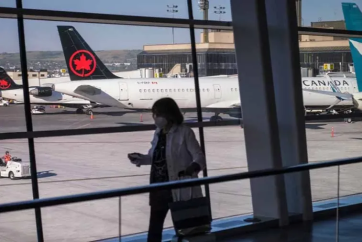
The Canadian government is exploring the possibility of privatizing federal airports, a move that could significantly alter the model for managing the country’s key infrastructure. The idea was first raised in the November budget and is mentioned in the spring economic update, which refers to “finding ways to make the most effective use of airports for long-term economic growth.”
Finance Minister François-Philippe Champagne stated that the goal is to modernize the approach to public assets and ensure better returns for citizens.
Currently, the federal government owns about two dozen major airports, including those in Toronto, Vancouver, Montreal, and Calgary. These are managed by non-profit airport authorities, which pay the government about $525 million in annual lease payments.
The government’s economic analysis is in its early stages but envisions potential legislation that would allow for a more detailed assessment of options for reforming airport ownership.
John Gradek, a professor of aviation management at McGill University, believes that the current funding system is insufficient for infrastructure modernization. In his view, privatization could attract investment, particularly from large pension funds that are already investing in airports abroad.
At the same time, international experience raises concerns. Former Chair of the Australian Competition and Consumer Commission, Rod Sims, emphasizes that following the privatization of airports in Australia in the 1990s and 2000s, fees and costs for passengers rose significantly.
According to him, airports in countries heavily dependent on air travel are effectively monopolies, so without proper regulation, privatization could lead to higher prices for consumers.
Experts agree that if the plan is implemented, the government must maintain strict control over fares to prevent a sharp increase in the cost of air travel for passengers.