
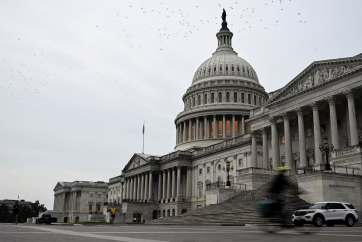
On February 11, 2026, the US House of Representatives passed H.J.Res.72, a resolution ending the state of emergency used by the White House to impose increased tariffs on Canadian goods. The decision was supported by almost all Democrats and six Republicans, with a final vote of 219 in favor to 211 against.
What exactly was voted on
The text of H.J.Res.72 explicitly states: Congress terminates the state of emergency declared by the president on February 1, 2025 in Executive Order 14193.
It was this state of emergency that the administration justified under the National Emergencies Act and the International Emergency Economic Powers Act (IEEPA), and on this basis introduced additional tariffs on imports from Canada.
Where did the 35% come from?
Initially, the order provided for an additional 25% duty on a significant portion of Canadian goods (and 10% on certain energy resources).
Subsequently, in a White House document dated July 31, 2025, the rate for goods subject to 25% was increased to 35% (effective August 1, 2025).
The White House's argument: “fentanyl and the northern border”
In the Federal Register (EO 14193), the administration linked the decision to the threat of illegal fentanyl trafficking and criminal networks, arguing that the situation posed an “unusual and extraordinary threat” and therefore required action under the IEEPA.
Why the vote is called “rare”
According to the official voting record, Republicans mostly voted ‘against’ (210), but six voted “for,” while Democrats almost unanimously supported the resolution.
The media called it a rare case where some Republican lawmakers publicly went against the White House's position on tariffs.
What's next
After being passed by the House of Representatives, the resolution must pass the Senate. Even if approved by Congress, the actual abolition of tariffs will depend on a further presidential decision (including a possible veto), which is why the media is already calling the result of the vote a political signal rather than a guaranteed change in tariff policy.
Source: Reuters